Dupin
Il Teorema del Confronto.
Gothic crime · AI-illustrated · English · Paris, 1840
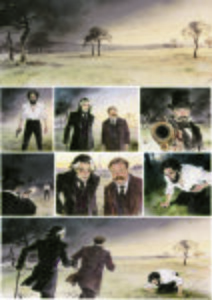
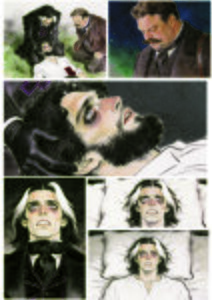
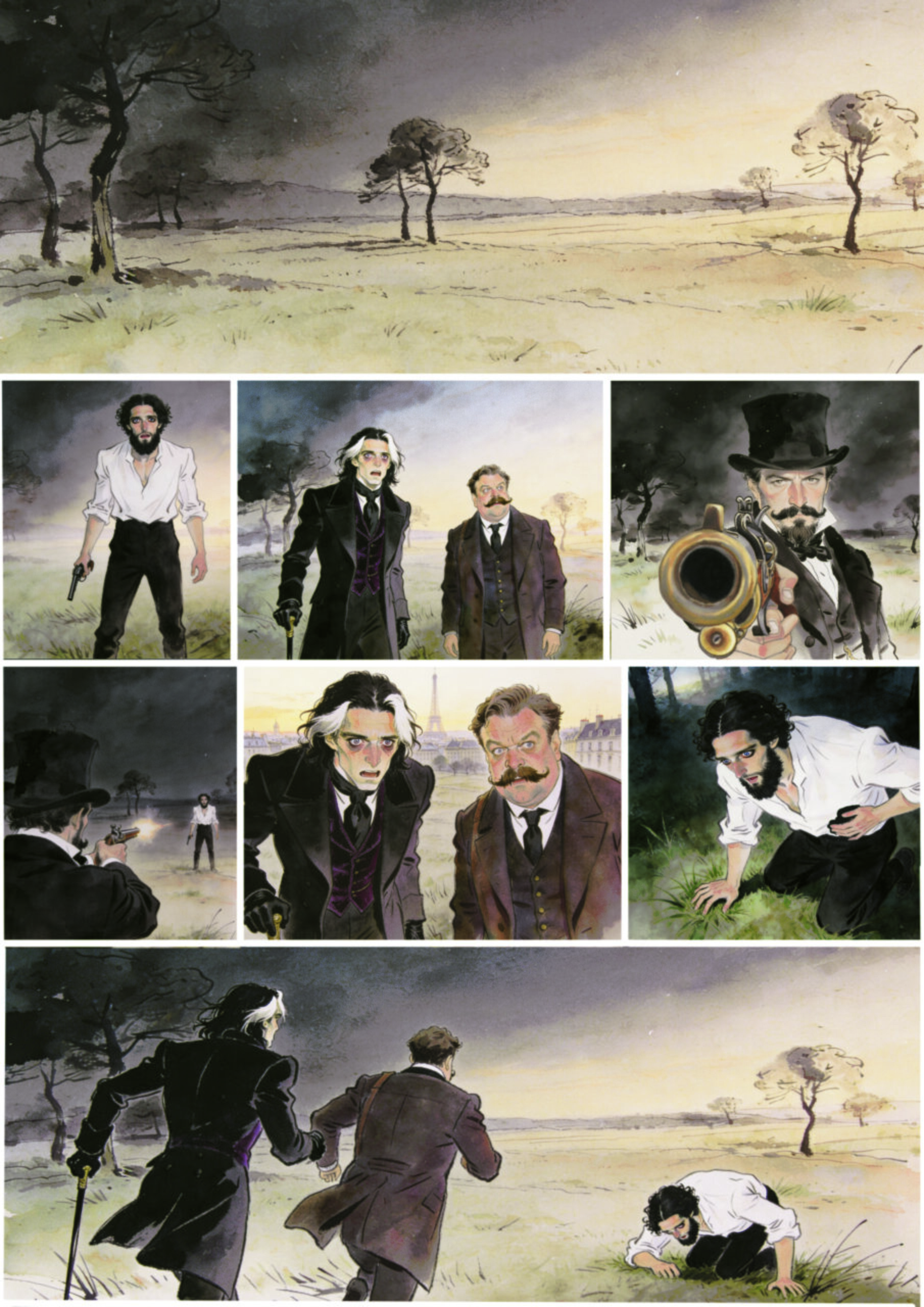
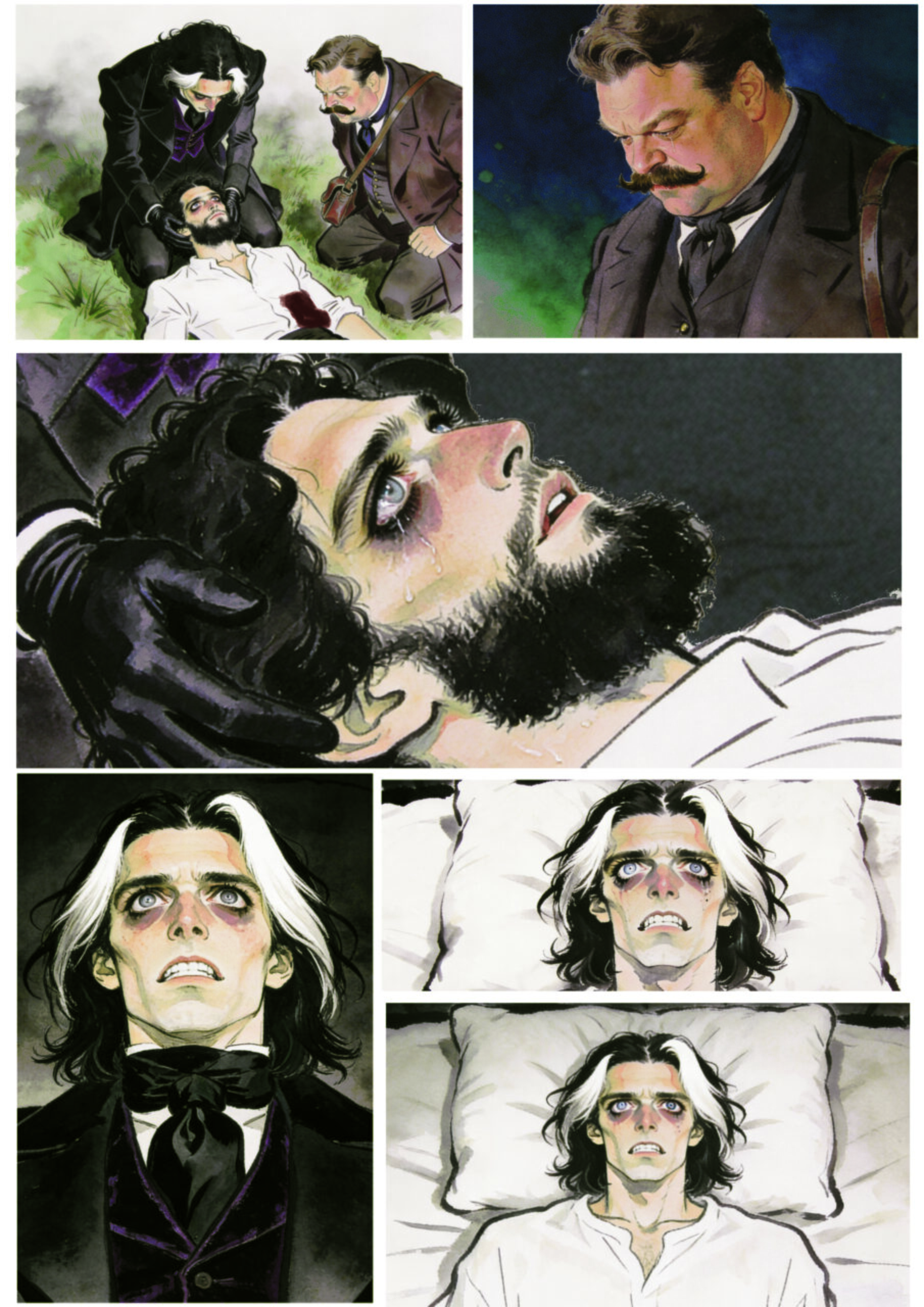
Paris, 1840. A mathematician is found dead the morning after a duel. Auguste Dupin is not convinced it was a duel at all. The victim is Évariste Galois — and the proof he left behind may be the most dangerous document in France.
Pages
80
Format
A4 hardcover
Language
English
Status
On Kickstarter
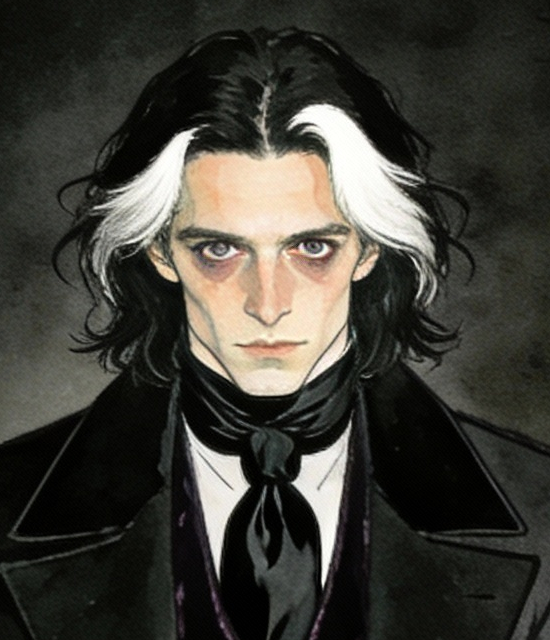
Cover illustration — Dupin, Episode 1: Il Teorema del Confronto. Ele Studios, 2026. AI-illustrated — gothic noir, Paris by night, ink and shadow.
The Premise
Paris, 1840. While the city sleeps, a shadow moves through its alleys, leaving behind a trail of silence. Three women are found dead. To the Prefecture, these are mere tragedies—random misfortunes to be filed away and forgotten.
Auguste Dupin is not so sure.
For Dupin, this is not just a crime; it is an enigma that insults the order of things. Where others see only chaos, he perceives a dark logic—a chilling rhythm that is transforming the capital into a theater of calculated violence.
As he delves into the intellectual underground of Paris—navigating elite salons, secret societies, and the dark alleys where the city whispers its deepest secrets—Dupin must decipher a language that no one is willing to admit they understand.
Il Teorema del Confronto is the first episode of the series. A gothic psychological crime story where logic is not used to bring justice, but to survive the depths of human cruelty.
The mystery is visceral. The violence is human. The logic is Dupin’s.
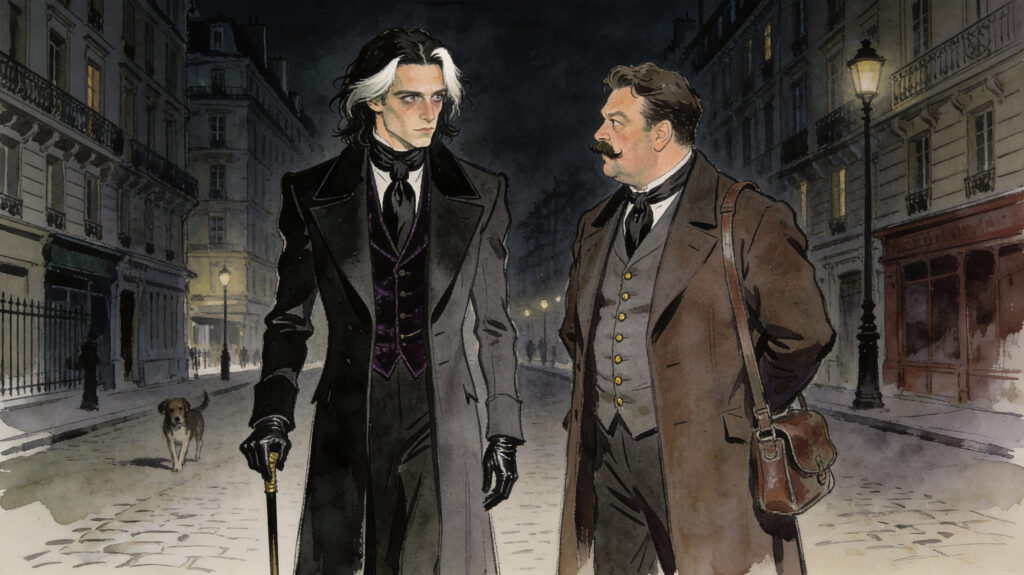
The Characters
Auguste Dupin
Protagonist
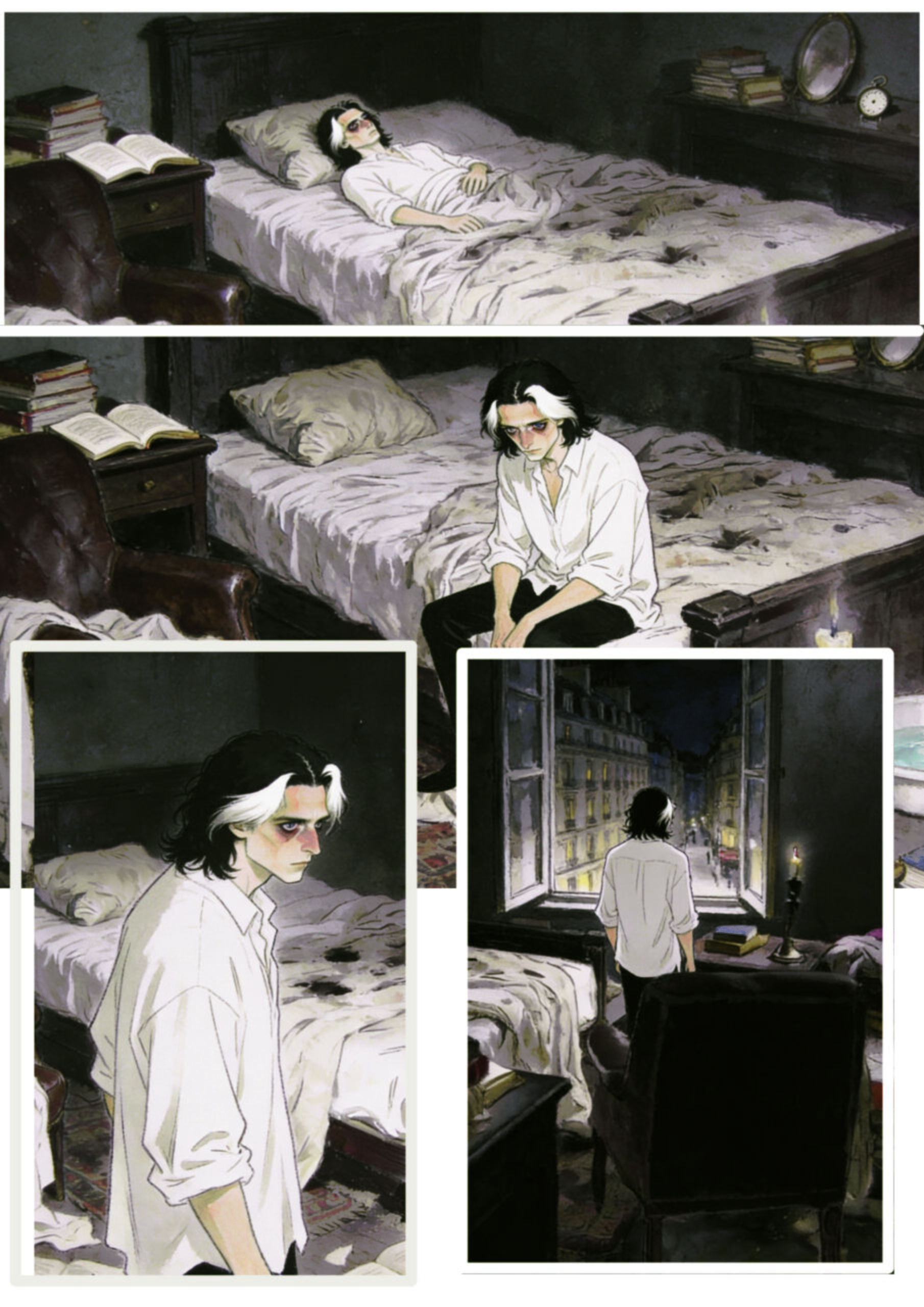
Poe’s detective, reimagined. Aristocratic, reclusive, pathologically rational. Lives by candlelight and logic. He doesn’t solve crimes as a service — he solves them because an unsolved pattern is a kind of pain. He is not easy to be around.
Alfred Galois
The Friend
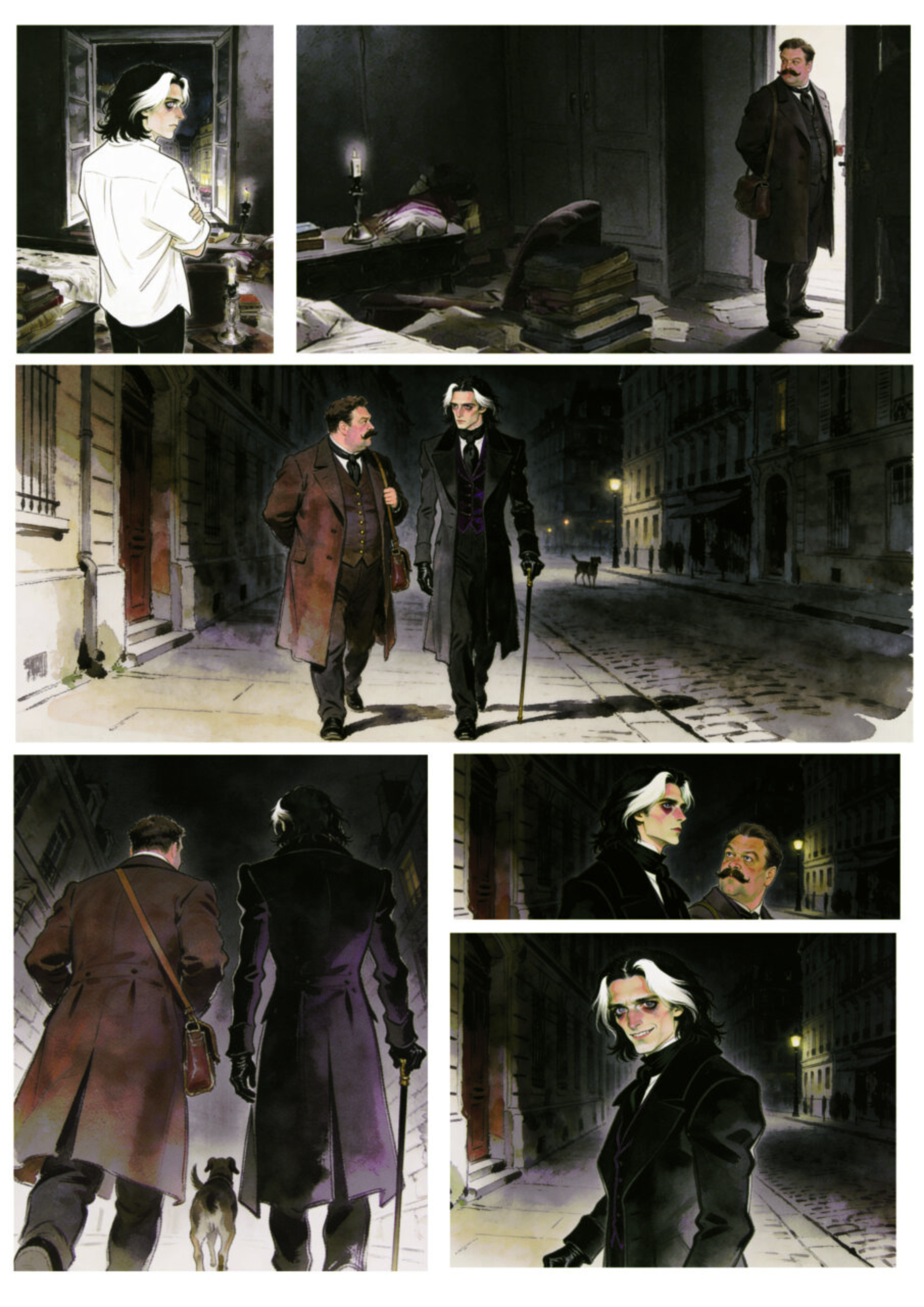
Evariste’s brother and Dupin’s closest friend, he accompanies him and acts as his right-hand man during investigations. He guards Dupin’s dramatic secret—one that Dupin himself is unaware of, and that Alfred shares only with his mother, Adelaide.
Prefetto G.
The Police Chief
She appears in Pinocchio’s memory — or imagination — as a figure of impossible perfection. She is never prophetic. She never guides. She is a narcissistic absence that shapes everything, visible only in what she makes impossible to grieve.
Evariste Galois
The memory
The only cold case, Dupin’s ultimate obsession. His best friend executed in a duel—the mathematical genius who died far too young. Ma il segreto custodito è più drammatico dell’immaginazione
Visual Style
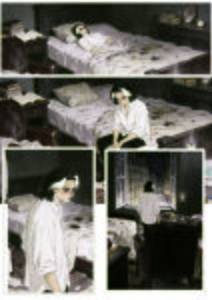
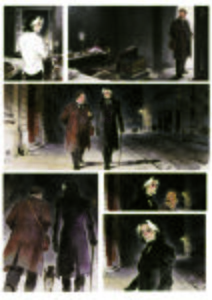
Dupin’s Paris is not the Paris of postcards. It is a city of narrow streets, gas lamps throwing yellow light on wet cobblestones, apartments that smell of tobacco and paper, and interiors where the shadows are doing most of the work.
VISUAL REFERENCES
Samples